Why can house extension costs vary so much?
Extending your home can give you the extra space you need without the disruption of moving. Whether you’re planning a larger kitchen, an additional bedroom or an open-plan living area, understanding the likely costs is an important first step.
However, two extensions of a similar size can have very different requirements. Ground conditions, the existing structure, the complexity of the design and your choice of materials can all affect the work involved.
If you’re planning a house extension in Berkshire, looking beyond the headline quotation can help you understand what is included, what may cost extra and which decisions need to be made before construction begins.
What should you consider before setting your budget?
Before requesting quotations, think about these key factors:
- Size and layout: How much additional space do you need, and how will it connect to your existing home?
- Groundworks: Will the site require excavation, drainage changes or additional foundation work?
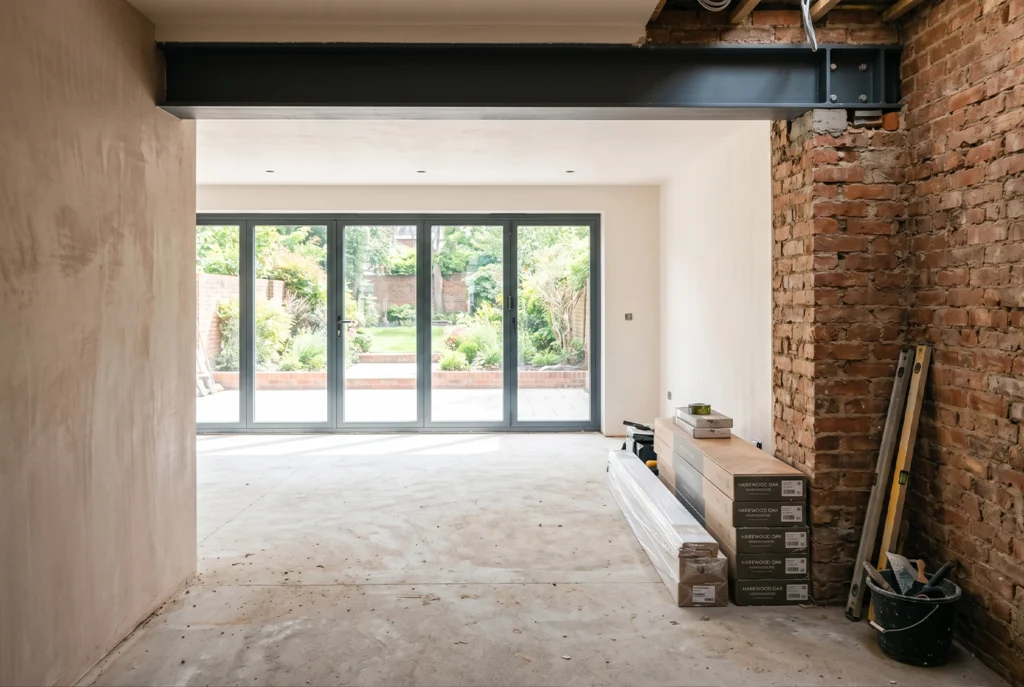
- Structural changes: Will the project involve removing walls, installing steel beams or altering the roof?
- Finishes and fittings: Have you considered flooring, glazing, lighting, kitchen units and other finishing choices?
How to plan your extension budget step by step
- Define the project: Decide what you want the extension to achieve and which rooms or features are essential.
- Assess the property: Arrange an appropriate site assessment to identify structural or access considerations.
- Develop the design: Establish the proposed layout, materials and specifications before comparing quotations.
- Compare detailed quotations: Check the scope, exclusions, payment stages and any assumptions behind each price.
Don’t overlook the work behind the finished room
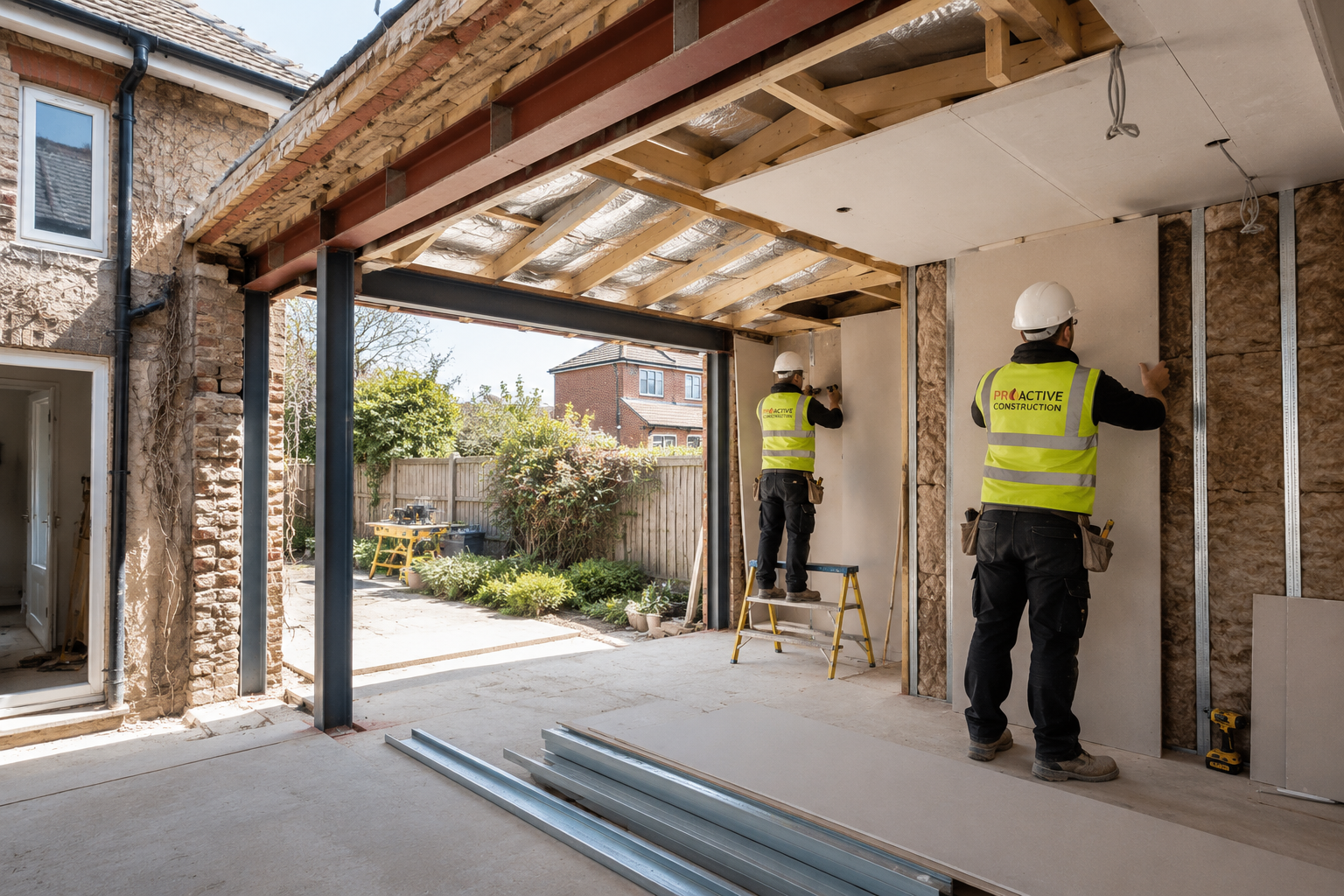
The visible finishes are only one part of an extension. Foundations, drainage, insulation, structural connections and work needed to integrate the new space with the existing house can also affect the overall budget.
Ask how these elements are accounted for in the quotation rather than comparing prices based on the finished appearance alone.
Key takeaway
A clear scope of work and a detailed quotation give you a better basis for budgeting than a headline price alone.
Common budgeting mistakes to avoid
- Choosing a quotation without checking exactly what it includes.
- Making major design changes after construction has started.
- Assuming ground conditions and existing structures will be straightforward without assessment.
- Forgetting to account for professional fees, approvals, fittings or other project-related costs where applicable.
Avoid assuming that the cheapest quotation will necessarily deliver the best overall value. Compare the proposed work, materials, exclusions and arrangements for handling changes.
How Proactive Construction can help
Proactive Construction provides residential extension and refurbishment services, including groundworks, structural alterations and finishing work. If you’re planning an extension in Berkshire, discuss your requirements with the team to establish the scope of work and the next steps.
Explore Proactive Construction’s extensions, conversions and refurbishment services.