
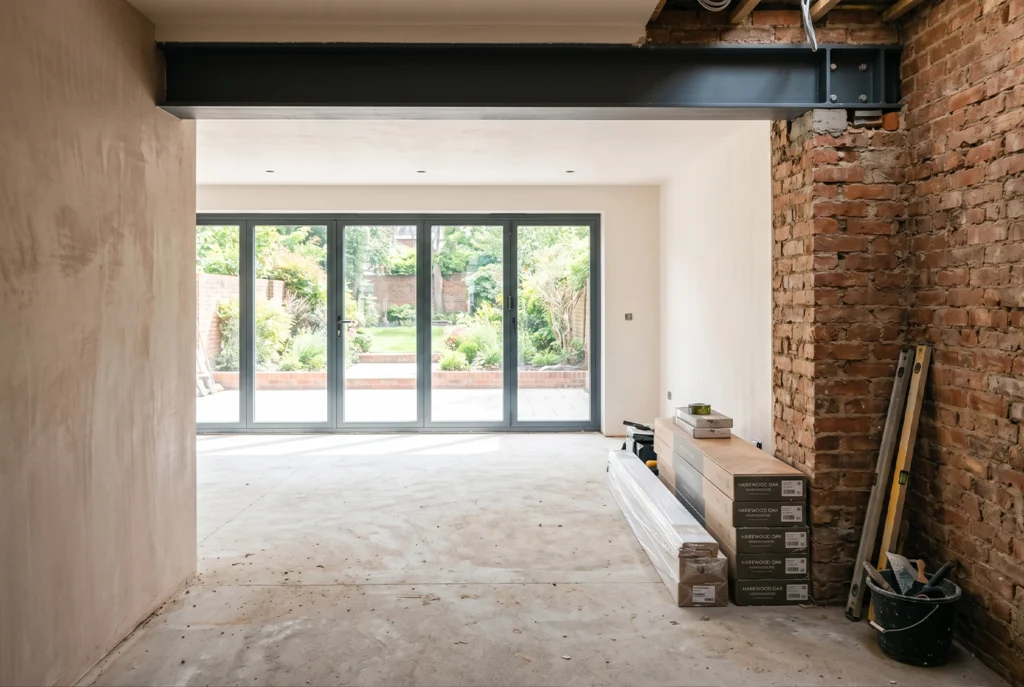
Why is the cheapest renovation quote not always the best option?
When planning a home renovation, you may receive quotations that look quite different even when each contractor has been given the same general brief. One proposal may include preparation and finishing work, while another may exclude items that you’ll need to arrange separately.
This can make it difficult to compare prices fairly. A lower headline figure doesn’t necessarily mean the overall project will cost less if important work, materials or finishing details are missing.
If you’re renovating a property in Surrey, the aim should be to understand exactly what each contractor proposes to deliver, how changes will be handled and what is expected from you during the project.
Renovation work can range from updating one room to changing the layout or refurbishing several parts of a property. Two quotations may use similar descriptions while allowing for very different amounts of work. One may include removing existing fittings, preparing surfaces and disposing of waste, while another may price only the installation of new items.
Price is important, but it is only useful when you know what it represents. A detailed quotation gives you a clearer basis for deciding whether the proposed work matches your priorities, budget and expectations. It can also help you identify questions before you commit to a contractor.
What should you check in each quotation?
Use these points to compare proposals:
- Scope of work: Does the quotation clearly list the work included in the project?
- Materials and finishes: Are the specified products, fittings, and finish standards identified?
- Exclusions: Are any tasks, professional fees, waste removal, or other costs left out?
- Payment and changes: Are payment stages and the process for approving additional work explained?
Look closely at descriptions that are broad or open to interpretation. Phrases such as ‘make good’, ‘standard finish’ or ‘allow for electrical work’ may need further explanation. Ask what each phrase includes and whether there are limits on the amount of work covered. If a particular finish matters to you, request enough detail to understand what is being proposed.
Check who is responsible for supplying materials and fittings. Some contractors may include supply and installation, while others may expect you to purchase certain items separately. Also check how waste removal, protection of existing areas, and final making-good work are treated, as these practical tasks can affect the overall cost.
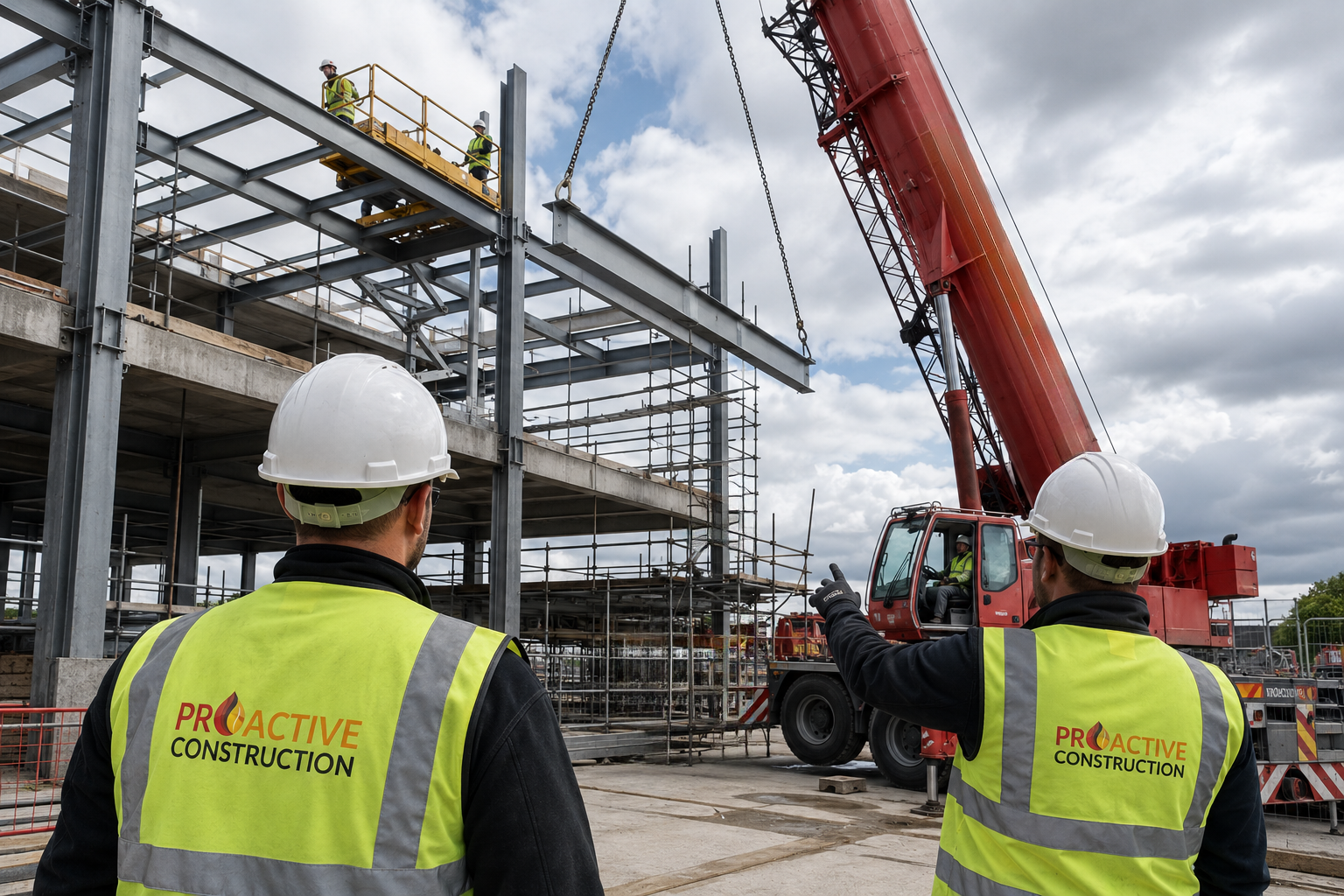
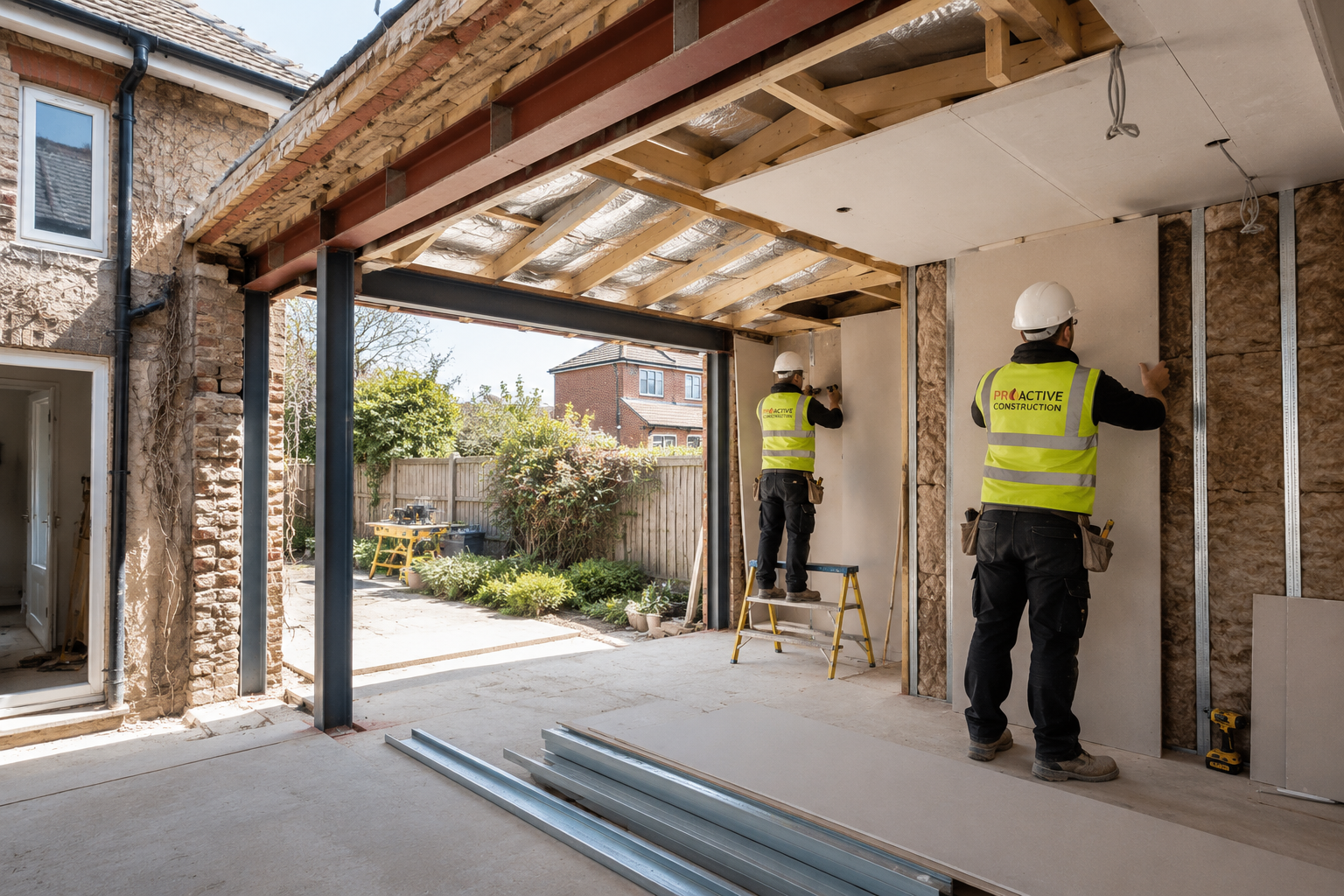
How to compare quotations step by step
Prepare one consistent brief: Give each contractor the same drawings, specifications, and description of the work.
Compare like for like: Check whether each quotation includes the same tasks, materials and finishes.
Clarify uncertainties in writing: Ask for missing details and explanations of exclusions or assumptions.
Review the full proposal: Consider communication, relevant experience, proposed arrangements and payment terms alongside price.
When preparing your brief, include the rooms involved, the changes you want to make and any known restrictions. Photographs, measurements and drawings can help explain the existing layout, although they may not replace a site visit or professional assessment. If you are still deciding between options, make that clear so the contractor can identify what has and has not been priced.
Ask how changes will be agreed.
Renovation projects can uncover conditions that weren’t visible before work began. If the scope needs to change, you should understand how the contractor will explain the issue, price the additional work, and obtain your agreement.
A clear written process helps both sides understand what has changed and how it affects the project.
Key takeaway
Compare the work being offered, not just the totals at the bottom of the quotations.
Common mistakes to avoid
- Choosing a contractor solely because their price is the lowest.
- Assuming verbal discussions are enough to define the full scope.
- Overlooking exclusions and provisional allowances, which are estimates for items not yet fully specified.
- Paying without understanding the agreed milestones and terms.
Before appointing a contractor, read the quotation and contract carefully, check relevant insurance and references, and make sure you understand how disputes or changes will be handled.
How Proactive Construction can help
Proactive Construction undertakes residential extensions, conversions and refurbishment projects. If you’re considering renovation work in Surrey, discuss the scope of your project with the team and ask for a proposal that sets out the work and relevant project arrangements.
Explore Proactive Construction’s extensions, conversions and refurbishment services.